


In an era dominated by Smartphones, streaming, and scrolling, it may seem like traditional religion is taking a backseat. But look closer, and you’ll see something remarkable: Generation Z isn’t abandoning faith, they’re reshaping it. From TikTok sermons to virtual prayer circles, spirituality is finding fresh expression through screens, memes, and mindfulness. This is not the end of religion; it’s the beginning of a bold new chapter.
Welcome to a world where belief is being redefined, community is borderless, and faith lives just as comfortably in a podcast as it does in a pew.
The Rise of the Digital Believer: Gen Z’s Unique Spiritual Landscape
Who Is Gen Z?
Born roughly between 1997 and 2012, Gen Z is the first generation to grow up fully immersed in digital technology. They’re global, hyper-connected, and socially conscious—often seeking authenticity and meaning over tradition and hierarchy.
While some headlines suggest Gen Z is abandoning religion, the reality is far more nuanced. Yes, traditional religious affiliation is declining, but spirituality is thriving in new and unexpected forms.
The Shift from Religion to Spirituality
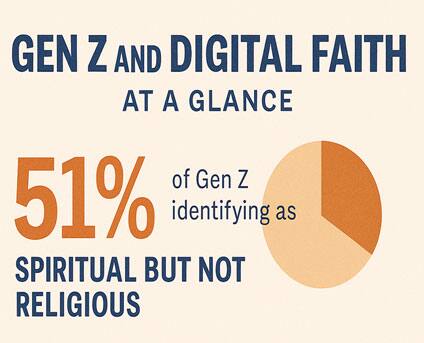
Gen Z is more likely to be identified as “spiritual but not religious” than any previous generation. What does that mean?
- Personalized belief systems: Rather than adhering strictly to one religious doctrine, Gen Z often blends elements from multiple traditions — Christianity, Buddhism, astrology, Indigenous practices, and more.
- Focus on inner peace and purpose: Meditation apps, mindfulness practices, and even daily affirmations are seen as spiritual rituals.
- Social justice as sacred: For many Gen Zers, activism is an extension of their moral and spiritual identity.
This generation’s spirituality is less about dogma and more about authenticity, justice, and connection.
Where Worship Meets Wi-Fi: Faith in the Age of the Internet
TikTok Theology and Instagram Sermons
Forget Sunday mornings in pews today, faith is just as likely to go viral as it is to go quiet. In an age where social media sets the rhythm of daily life, platforms like TikTok and Instagram have become unexpected altars for spiritual exploration.
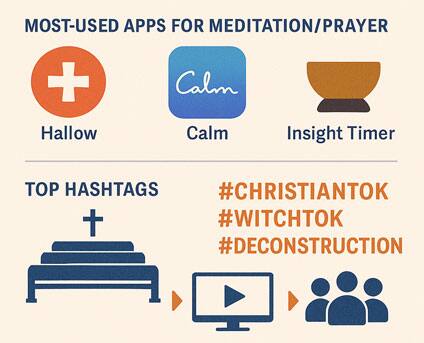
Hashtags like #ChristianTok, #WitchTok, and #MuslimTok are thriving communities, each boasting millions of views and an ever-growing stream of content. Here, users aren’t just passively scrolling, they’re engaging with prayer videos, scriptural breakdowns, rituals, and deeply personal questions about belief, purpose, and identity.
This digital wave is reshaping how people learn about and practice faith. Theology is being translated into bite-sized, visually captivating clips that meet people where they are, — on the bus, in bed, or between meetings. Complex doctrines are explained with analogies, trending sounds, or relatable humor, making ideas that once required seminary-level study feel accessible to a much broader audience.
Meanwhile, spiritual influencers, from ordained pastors and imams to tarot readers and energy healers, all offer daily devotionals, live Q&As, and stitched debates that spark real-time dialogue. While critics warn of oversimplification or misinformation, supporters argue that this democratization of faith invites curiosity, lowers the barrier to entry, and fosters community in ways traditional institutions sometimes struggle to match.
These platforms have become modern-day pulpits, offering inspiration in 60 seconds or less.
Digital Communities of Faith
Virtual spaces are replacing or supplementing physical religious gatherings:
- Discord servers and Reddit forums offer real-time discussions about faith, doubt, and life’s big questions.
- YouTube churches, and livestream services allow believers to join worship from anywhere in the world.
- Prayer apps and meditation tools like Hallow or Insight Timer bring spiritual practice into daily routines.
These digital sanctuaries are inclusive, diverse, and often more accessible than traditional religious institutions.
From Deconstruction to Reconstruction: Faith After Doubt
The Deconstruction Movement
Many Gen Zers are undergoing what’s known as “deconstruction” — a critical examination of their inherited faith traditions. This process often includes:
- Questioning literal interpretations of scripture
- Challenging the role of religion in politics or exclusion
- Dismantling toxic theology (such as purity culture or prosperity gospel)
But deconstruction isn’t about walking away from faith, it’s about making room for a more thoughtful, inclusive, and genuine belief system.
Rebuilding a Personal Theology
After deconstruction, many Gen Zers don’t abandon faith altogether. Instead, they:
- Explore new traditions or return to old ones with renewed understanding.
- Engage in interfaith dialogue, valuing multiple perspectives.
- Reclaim rituals, adapting them in ways that resonate personally.
This reconstruction is often marked by grace, curiosity, and an emphasis on spiritual growth rather than perfection.
Faith Meets Social Change: Justice as Sacred Duty
Activism and Belief
For Gen Z, faith isn’t just private, it’s political. Many young people see social justice as an essential expression of their spirituality. Issues like climate change, racial equity, LGBTQ+ rights, and mental health aren’t separate from faith—they’re central to it.
Examples include:
- Progressive Christian movements focused on inclusion and anti-racism.
- Young Muslim activists advocating for justice during Ramadan and beyond.
- Jewish TikTokers sharing insights on anti-Semitism, Torah, and identity.
Moral Leadership from the Grassroots
Rather than waiting for religious institutions to catch up, Gen Z is creating their own moral leadership through:
- Podcasts
- Zines
- Online panels
- Spiritual retreats focused on healing and liberation
For this generation, loving their neighbor often means challenging systems of harm, both inside and outside religious spaces and standing for justice.
Challenges and Critiques: The Double-Edged Sword of Digital Faith
Disinformation and Superficiality
The accessibility of digital spirituality also has its drawbacks:
- Misinformation can spread quickly, especially when nuanced theological ideas are oversimplified.
- Some online spiritual trends can become commodified or appropriated, losing their original cultural context and depth.
Loneliness and Fragmentation
While online communities can be vibrant, they don’t always replace the intimacy and accountability of in-person relationships.
- Young people may struggle to find mentors or spiritual elders.
- The lack of institutional grounding can lead to confusion or burnout.
A Call for Balance
Gen Z’s challenge is to combine digital fluency with spiritual depth—leveraging technology without losing touch with the soul of faith.
Summary:
Key Takeaways on Gen Z and the New Face of Faith
- Gen Z is not abandoning faith—they’re redefining it.
- Spiritual expression is increasingly digital, inclusive, and personalized.
- Faith is intertwined with activism, identity, and mental health.
- Online platforms offer connection but also require discernment.
- Traditional institutions have an opportunity to evolve and engage.
What we’re witnessing today is not a decline in faith, but a renaissance — bold, boundary-breaking, and beautifully Gen Z.
Conclusion: A New Sacred Future
Faith is far from fading; it’s finding new life in DMs, Discords, and daily affirmations. Gen Z is teaching us that spirituality doesn’t have to be static or stuck in centuries past, it can evolve, adapt, and thrive in a world of constant change.
So whether you’re a digital native or a curious observer, consider this: What does it mean to seek the sacred in an age of screens? And how might we all learn from a generation that dares to believe differently?


No Comment! Be the first one.