Every swipe on social media promises a new body in 30 days, a secret diet hack, or a miracle workout plan guaranteed to “shred fat fast.” But behind those filtered selfies and dramatic before-and-afters, there’s a whole lot that fitness influencers aren’t saying. They rarely talk about the mental strain, the unsustainable routines, or the hours of editing and perfect lighting. The reality is that body transformation is less about magic and more about mindset, consistency, and the messy, honest middle ground no one posts about.
Influencers often showcase their peak moments — lean, glowing, perfectly posed. What they don’t show is the fluctuation, the plateaus, and the days they fall off track. Real transformation is filled with highs and lows, and progress can stall or even reverse before moving forward again.
“We expect a straight path to progress, but the truth is it’s more like a spiral staircase.” — Dr. Lisa Firestone, clinical psychologist.
You might drop 10 pounds quickly, then stay the same weight for weeks. That doesn’t mean you’re failing; it often means your body is adjusting. A study in the *American Journal of Clinical Nutrition* found that weight loss plateaus are common due to metabolic adaptation, where the body becomes more efficient and burns fewer calories. Takeaway: Real progress happens when you stay consistent even during the frustrating times. Track trends, not daily fluctuations.
Many Physiques Are Built With Help (and Not the Natural Kind)
Aesthetic perfection sells, and some influencers use enhancements to keep up with the pressure. From anabolic steroids to cosmetic procedures, many aren’t upfront about the tools used to achieve their look.
“The rise of ‘performance-enhancing influencers’ has skewed perceptions of what’s naturally achievable.”— Dr. Thomas O’Connor, hormone specialist.
A fitness influencer might promote a supplement while subtly relying on performance-enhancing drugs (PEDs) to maintain ultra-low body fat year-round. The average gym-goer following that plan may feel discouraged when they don’t get the same results. In many cases, even their “natural” physiques may be the result of selective posing, lighting, and enhancement.
Takeaway: Not everything you see is achieved naturally. Your journey is valid, even if it’s slower or looks different.
They Don’t Show You the Sacrifices
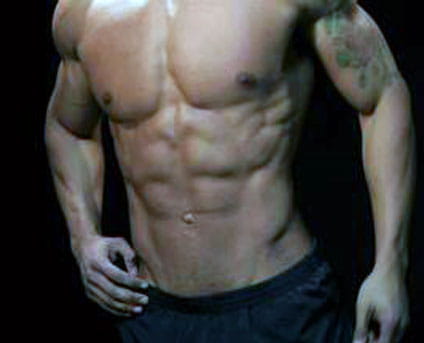
The six-pack abs comes with a cost. Restrictive dieting, missed social events, constant food tracking, and mental fatigue are often part of the equation, but rarely shown.
That influencer with perfect abs might eat the same three meals every day, avoid spontaneous nights out, and spend hours meal prepping each week. A 2022 survey from *MindBody* revealed that 38% of people trying to emulate online fitness routines felt it negatively affected their social life and mental health.
“There’s no such thing as balance when you’re chasing an extreme aesthetic.” — Jordan Syatt, fitness coach
Takeaway: If the cost of a transformation includes joy, flexibility, or peace of mind, it might not be worth it. A healthy body should support your life, and not consume it.
Photos Can Lie
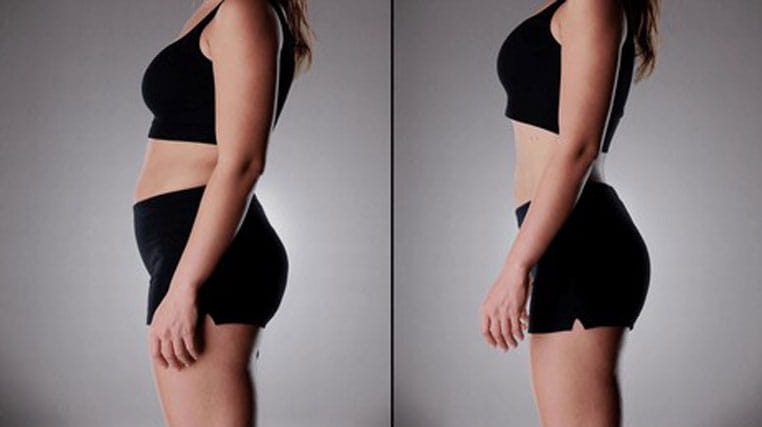
Angles, lighting, posture, and editing apps like Facetune or Lightroom can create the illusion of transformation in minutes. A common trick is a “before” photo with poor lighting, slouched posture, and a bloated stomach, followed by an “after” photo taken minutes later with good lighting, posture, and a tightened core.
“Transformation photos are the fitness industry’s version of optical illusions.” — Bret Contreras, strength coach.
Research Insight: A 2021 study published in “Body Image Journal” found that exposure to digitally enhanced fitness photos significantly lowered self-esteem in both men and women.
Takeaway: Your body isn’t broken; you’re just comparing it to illusions. Focus on how you feel, not how others look.
Motivation Won’t Always Be There:
Influencers often promote hype: “Crush your goals! No days off! Stay motivated!” But no one is motivated every day. Real transformation comes from discipline and creating habits that work even on low-energy days. You won’t feel like going to the gym after a stressful workday or a sleepless night. But showing up for a 30-minute walk instead of skipping entirely? That’s progress. Influencers may show up with energy daily, but most have the luxury of fewer time constraints or get paid to stay fit.
“Discipline is doing what needs to be done, even when you don’t want to.” — Unknown
Research Insight: A study in *Health Psychology* found that people who relied on consistent routines rather than motivation were more likely to maintain long-term fitness goals. Takeaway: Build systems, not just spurts of motivation. Create a plan that works on your worst day, not just your best.
Comparison Is the Thief of Progress:
You see someone else’s 12-week transformation and wonder why yours doesn’t look the same. The truth is that genetics, lifestyle, age, stress, sleep, and hundreds of other variables make each body unique and play vital role in the type of result you get.
For example: Two people doing the same workout plan will have very different outcomes. One might gain muscle rapidly, while another progresses more slowly due to hormonal differences or stress levels. Yet both are succeeding in their own way.
“Don’t compare your behind-the-scenes with someone else’s highlight reel.” — Steven Furtick
Takeaway: Your pace is perfect as long as you’re moving forward. The best comparison is between who you are today and who you were yesterday.
Mental Health Is Often Overlooked
Body transformation doesn’t automatically equal happiness. In fact, the obsession with aesthetic change can worsen self-image and trigger disordered eating or exercise habits. A person may lose 30 pounds and still feel insecure because the root issue was emotional, not physical. In a 2021 study by the *National Eating Disorders Association*, 62% of fitness-focused individuals reported heightened anxiety about body image due to social media.
“Fitness without mental health awareness is like building a house on shaky ground.” — Dr. Stacey Rosenfeld, psychologist and author
Takeaway: Emotional well-being should be part of any fitness journey. Therapy, journaling, rest, and boundaries are just as important as workouts.
Summary: The Unspoken Truths of Transformation
Fitness influencers often present a polished highlight reel, but real transformation is complex, personal, and sometimes messy. It’s filled with setbacks, sacrifices, and deep emotional work. Knowing the realities behind the screen can help you set realistic expectations and stay committed to a path that prioritizes health over hype.
To Recap:
Progress isn’t linear.
Not every physique is natural.
Sacrifices are real, but rarely shown.
Photos can be deceptive.
Motivation fades, habits last.
Comparison sabotages growth.
Mental health matters as much as physical changes.
Conclusion: Redefine Your Transformation
It’s time to shift the narrative. True transformation is not about chasing someone else’s version of “fit.” It’s about building strength, resilience, and confidence in a way that fits your life, your values, and your body. If you feel like giving up because your journey doesn’t look like an influencer’s feed, remember: the most powerful transformations happen quietly, over time, and with deep self-respect. You don’t need to look perfect to be making progress. You just need to keep going—authentically, and on your own terms.


 A fitness influencer might promote a supplement while subtly relying on performance-enhancing drugs (PEDs) to maintain ultra-low body fat year-round. The average gym-goer following that plan may feel discouraged when they don’t get the same results. In many cases, even their “natural” physiques may be the result of selective posing, lighting, and enhancement.
 A fitness influencer might promote a supplement while subtly relying on performance-enhancing drugs (PEDs) to maintain ultra-low body fat year-round. The average gym-goer following that plan may feel discouraged when they don’t get the same results. In many cases, even their “natural” physiques may be the result of selective posing, lighting, and enhancement.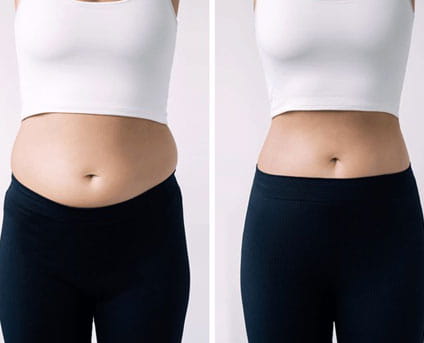


No Comment! Be the first one.